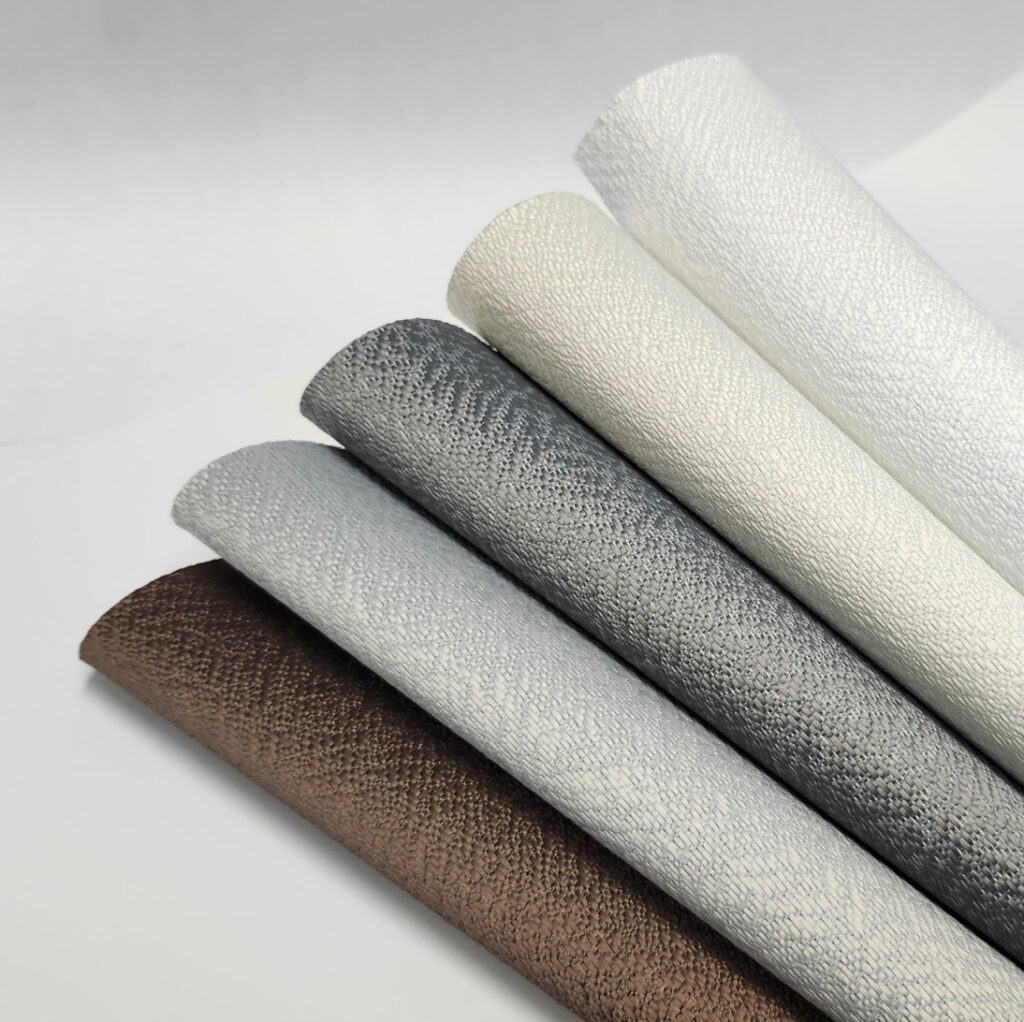
Picking a colour for new blinds feels simple until you’re standing in front of six fabric swatches that all look vaguely beige. Then every choice starts to matter: warmth, undertone, contrast against the trim, how it’ll read in winter light versus summer light, and whether what feels fresh today will feel dated in three years. This guide is the full breakdown of what’s actually trending in 2026, what’s fading, and — more importantly — how to pick colours that’ll still look right five years from now. It’s written for Canadian homeowners working with real rooms, real walls, and real light conditions.
The big shift in 2026: warm wins
The single most important colour shift this year is the end of the cool-grey era. For most of the 2018–2024 cycle, cool greys, slate whites, and cement tones dominated window coverings across North America. That look is fading fast. Walk through any Calgary or Vancouver design showroom today and you’ll see the wall of swatches has shifted warmer by two or three clicks across the board. Why? Partly Pantone’s direction (their 2026 palette leans warm and earthy). Partly because warm-tone natural wood is back in flooring and cabinetry — and cool grey blinds look visibly wrong against warm wood. Partly because homes built in the all-white era are starting to feel cold, and homeowners are layering in warmth wherever they can.
The 2026 blind colour palette: what’s in
1. Cream and warm ivory — the new default white
If pure white was the default roller shade colour for the last decade, cream and warm ivory are taking over that role in 2026. The distinction matters: cream has a hint of yellow undertone, warm ivory has a barely-there peach or gold undertone. Both read soft, flattering, and warm in most interior lighting. Pure white now reads cold and clinical in most homes — only work if your walls and trim are also cool-toned.
Pairs well with: warm white walls, natural oak or maple trim, linen upholstery, beige or oat flooring.
2. Oat, sand, and putty
Moving one step deeper, oat (a soft muted tan), sand (slightly pinker and warmer), and putty (a grey-beige sometimes called “greige” but warmer than the old cool version) are the workhorses of 2026. These colours work across nearly every interior style and handle the messy middle — homes with mixed warm and cool tones, open-concept spaces with multiple flooring types, and rooms that get very different light morning versus evening.
Pairs well with: almost anything. Oat is the safest single colour choice for a whole-home palette.
3. Terracotta and warm clay accents
Bold colour is quietly returning — but in an earthy, grounded way, not bright or saturated. Terracotta, warm clay, and muted rust are showing up as accent window covering colours in 2026, typically in secondary rooms like powder rooms, home offices, or dining rooms. Not as a primary palette choice, but as a single strong note in a room that wants personality.
Pairs well with: warm cream walls, travertine, terracotta tile, natural wood, leather.
4. Muted sage and olive
Green is back. Not the emerald of 2022 or the bright jewel tones of mid-decade — muted sage, dried olive, and dusty moss. This works especially well for homes leaning into the biophilic and organic design trend. It reads calming and grounded, and pairs naturally with the warm neutral palette.
Pairs well with: cream walls, natural wood, brass or aged-bronze hardware, plants.
5. Warm charcoal and soft black
For contrast and drama, warm charcoal and soft black (not the cold jet blacks of 2020) are the bold-neutral choice of 2026. They’re making a comeback in media rooms, primary bedrooms with blackout needs, and modern-moody interiors. Done right, they anchor a room; done poorly, they can feel heavy.
Pairs well with: cream or warm white walls (not cool grey), natural oak or walnut, moody paint colours, matte black hardware.
The 2026 colour palette: what’s out
A few things we genuinely don’t recommend ordering in 2026 unless the whole room is already built around the cool palette:
- Cool pure white rollers — reads cold and clinical in most Canadian homes now
- Cool slate and cement grey — the 2019-era default, now looking dated
- Beige with a cool undertone (“cool greige”) — confuses the eye when it sits next to warm-toned walls
- Pure black — heavy, dated, reads harsh against modern warm neutrals
- Bright saturated accents (teal, jewel tones, fuchsia) — the bold comeback is happening, but in earthy tones
How to pick a colour that’ll still look right in five years
Trends shift, but a few principles keep you out of trouble:
- Match the undertone of your wall colour. If your walls have a warm undertone (most Benjamin Moore whites, Sherwin-Williams Alabaster, Classic Grey), pick a warm-undertone blind. If your walls are cool (rare in 2026 Canadian homes), pick cool blinds. Mismatching undertones is the single most common mistake and the hardest to un-see once you notice it.
- Go one shade lighter than you think. Fabrics always look darker once installed — light is coming through them, so you’re seeing the fabric itself, not the swatch-flat version.
- Neutrals age better than trends. If you’re investing in custom blinds you plan to keep 10 years, pick from the warm neutral family (cream, oat, sand, putty). Save the terracotta or sage for rooms you’re willing to refresh more often.
- Consider how light changes the colour through the day. A south-facing window at 2 p.m. bathes fabric in warm yellow light. That same fabric at 8 a.m. or under evening lamp light reads cooler. Look at swatches in multiple lighting conditions before deciding.
- Limit your home to two or three blind colours total. Consistency across the house reads more designed than picking a different colour per room.
Room-by-room colour guidance for 2026
Living room and great room
Cream, warm ivory, or oat. These reception rooms set the tone for the rest of the home. Save the bolder moves for rooms with more specific function.
Primary bedroom
Soft putty, oat, or warm charcoal for drama. If blackout is the priority, warm charcoal blackout honeycomb shades are especially on-trend for 2026.
Kitchen and dining
Warm neutrals. Cream, oat, or putty. Kitchens have too many competing materials (cabinets, countertops, backsplash, appliances) to add a colour statement at the window.
Home office
This is a great spot for an accent. Muted sage, warm clay, or terracotta can give a home office personality without overwhelming. It also shows up well on camera for video calls — a neutral backdrop with a quiet hint of personality reads professional.
Powder room and small spaces
Go bolder here. Small rooms can carry a stronger colour choice without dominating the house. Terracotta, sage, or even a warm patterned fabric works.
Basement
Warm neutrals to lift the typically cool basement light. Avoid greys; they make already-dim rooms feel colder.
What about patterns and textures in 2026?
Solid colours still dominate. Where pattern appears, it’s subtle — woven textures that read solid from across the room but have visible weave up close, subtle cross-hatch, or natural linen-look blends. Bold florals, geometrics, and statement patterns remain out for window coverings (they’re peaking in other places like wallpaper and rugs). Texture is doing the heavy lifting that bold pattern used to. A warm oat
roller shade in a textured linen-blend reads rich and intentional even though it’s technically a solid.
Testing colour before you commit
Two ways to de-risk the colour decision:
- Order physical swatches. Still the gold standard. Look at them in your actual room, at multiple times of day, before deciding. Any good custom window covering maker will send them free.
- Use our AI Room Visualizer. Upload a photo of your room and preview different fabrics and colours in seconds. Great for narrowing the field from 20 swatches down to the final 2 or 3 before requesting physical samples.
Frequently asked questions
What’s the most popular blind colour in 2026?
Warm neutrals — cream, oat, and putty lead. Pure whites and cool greys have fallen out of favour. Across most of our 2026 custom orders, oat and warm cream are the two most requested colours.
Are white blinds still in style for 2026?
Warm whites and creams are in. Cool pure white is out unless the rest of the room leans cool. The shift is subtle but visible — most 2026 “white” blinds are actually warm whites.
Do blinds need to match the wall colour?
Not match — but they should share an undertone. Warm walls call for warm blinds; cool walls call for cool blinds. A mismatched undertone is the most common blinds mistake in Canadian homes.
Can I use different blind colours in different rooms?
Yes, but limit the whole home to two or three colours total. A primary neutral (oat or cream) for main rooms plus one accent colour (sage, terracotta, or charcoal) for one or two rooms is a balanced approach.
What blind colour looks best with warm wood flooring?
Cream, oat, warm ivory, or soft putty. These complement warm wood without competing with it. Avoid cool greys and pure whites, which visually clash with warm wood.
Ready to choose your 2026 colour?
Novo Blinds offers hundreds of fabric options across every product we make, with free swatches shipped anywhere in Canada. Book a free in-home consultation or
get a quote online — we’ll walk through your lighting, flooring, and wall colours and recommend the right palette for your home.