

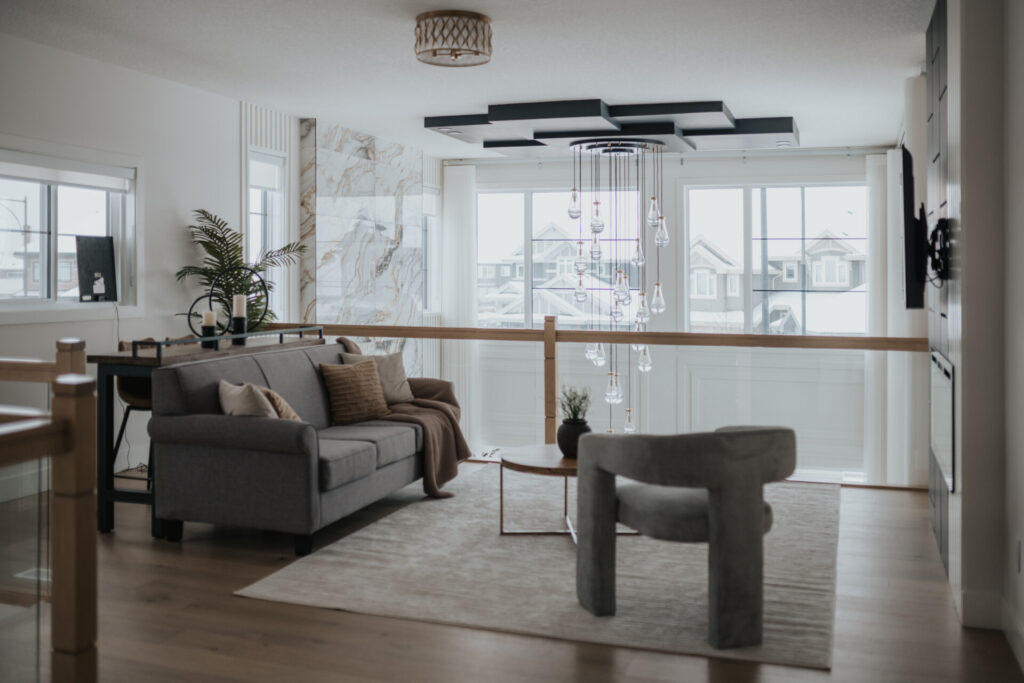
A wall of glass can be the best part of a condo until you are squinting at the television or wondering what the neighbours can see after dark. The right blinds should make the room comfortable while keeping the view and access you enjoy.
Start with three decisions: what your building allows, how each window or door opens, and how private you want the room at night. Choose the fabric after those are clear. A beautiful sample cannot tell you whether a shade will clear your balcony-door handle.
Get the building requirements before choosing colours
Ask your property manager or strata council for the current window-covering requirements. Request the actual document, including any approved colours or installation conditions, rather than relying on what a neighbour remembers.
BC’s provincial guidance explains that strata bylaws can specify window coverings and that bylaws differ between buildings. There is no single colour or mounting rule to assume for every Metro Vancouver condo. Read the province’s explanation of strata bylaws.
Ask whether the room-facing fabric, outward-facing backing or both are controlled. Check whether your proposed mounting method needs written approval, particularly where window frames or shared building elements may be affected. If you rent, confirm the owner’s permission too. Give the applicable requirements to your blind supplier before finalizing the order.
That small check can save you from choosing a fabric or installation detail the building will not accept.
Choose for the room at night, too
Daytime glare and evening privacy are different problems. A fabric that lets you enjoy an outlook during the day may allow views into a brightly lit room after dark. A showroom photo cannot settle that question for your home.
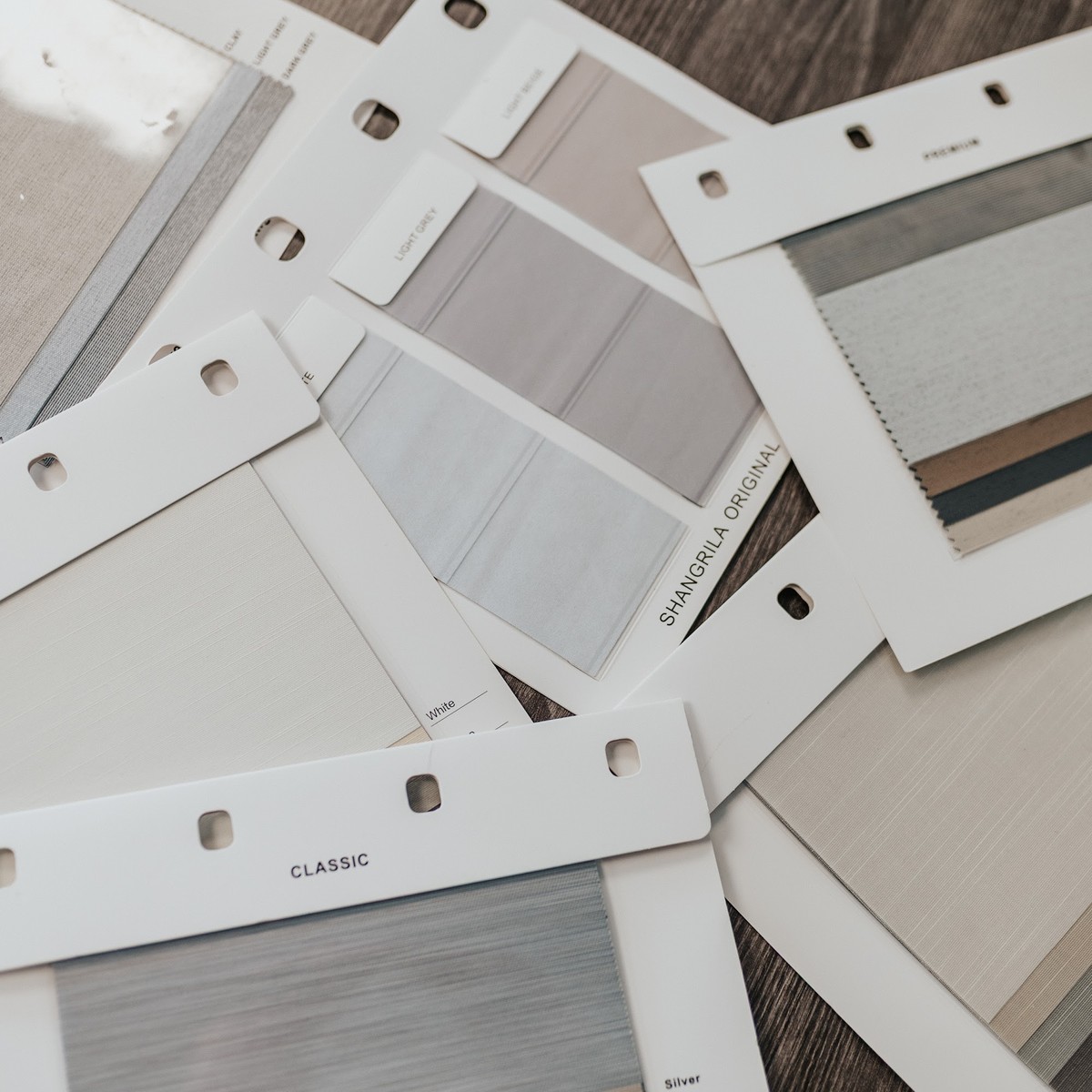
For a living room, start with roller shades and compare samples for the balance of daylight, view and privacy you want. Tell the consultant if another building looks directly into the room. Ask to see how much detail is visible through the fabric when it is backlit.
For a bedroom, discuss a blackout fabric and the proposed fit together. Blackout fabric blocks light through the fabric itself; light can still enter around the sides, top or bottom of an installed shade. If early light bothers you, point out the bed’s position and ask how the design will address those edges. Our blackout-blinds guide explains that distinction.
You do not have to use the same fabric throughout the condo. A coordinated room-facing colour can still leave room for different light-control needs, subject to your building’s requirements.
Look at the handles, corners and balcony door
Open each window and the balcony door before the consultation. Photograph the moving parts in both positions. Include projecting handles, cranks, locks, deep trim and any ceiling bulkhead above the glass.
A narrow corner can make two neighbouring shades meet awkwardly. A handle can sit directly in the fabric’s path. A long run of glass may need more than one shade because of its dimensions, hardware limits or the way you want to operate it.
For a balcony door you use often, ask whether the covering over the access panel can operate separately from the adjacent glass. The arrangement needs to work with the actual door. Our patio-door guide compares the options in more detail.
Keep furniture in the picture. The sofa you plan to put beneath a window can turn a reachable control into an awkward one.
Decide how you will reach the controls
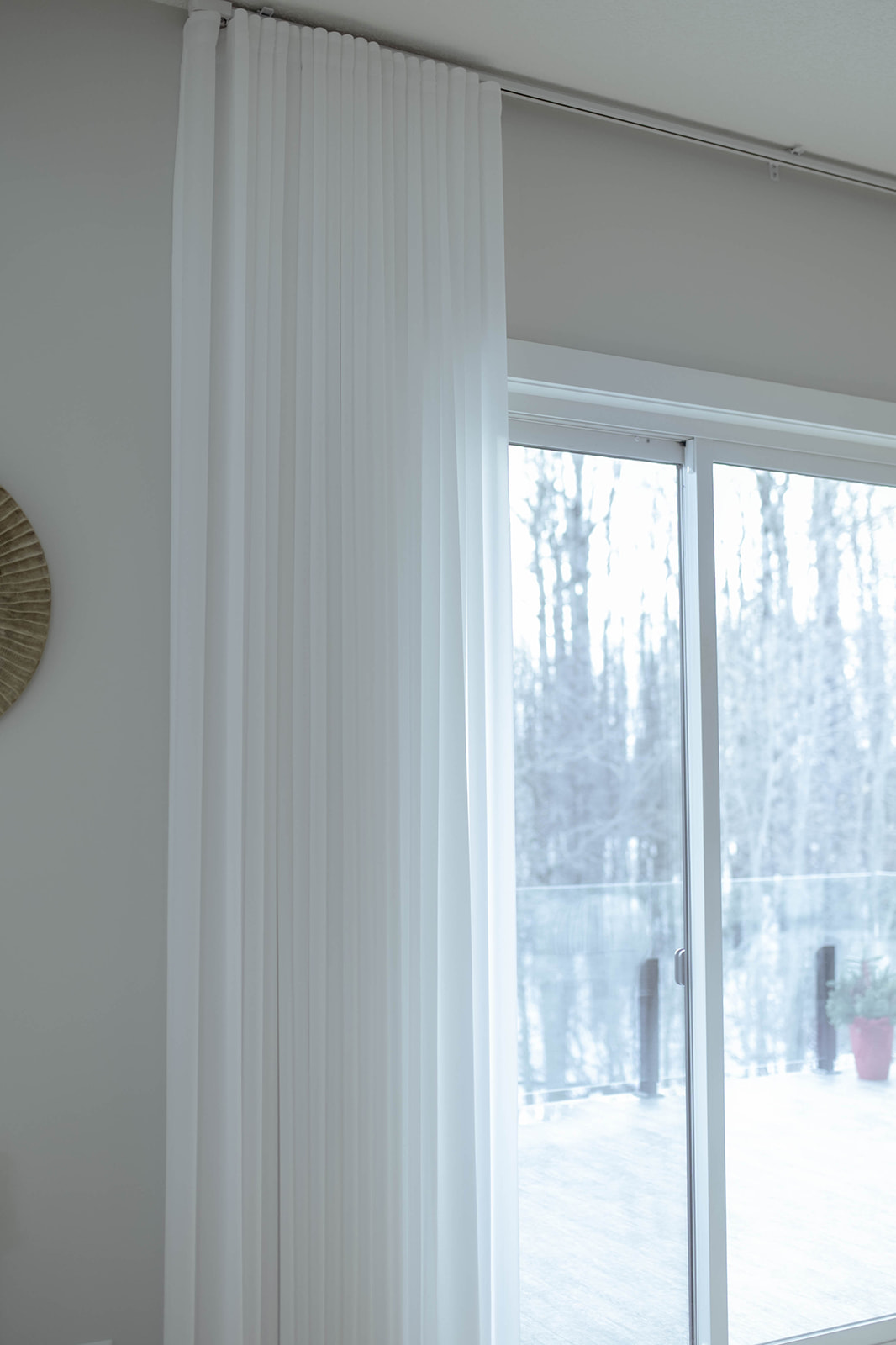
Stand where you would normally open the blinds. Can you comfortably reach every control? Can you reach it with the furniture in place?
For tall or awkward windows, motorized blinds are worth considering. Basic remote control does not require a Wi-Fi hub. Smart-home control is a separate choice: a compatible hub is needed for Google Home, Alexa or Siri through Apple HomeKit. Confirm the particular motor-and-hub combination before ordering.
Also ask how the selected motor is powered and, if rechargeable, how you will reach its charging point. A motor solves daily operation; its power arrangements still need to suit the room. You can discuss motorization for the difficult windows without assuming every window needs it.
Bring a short window list
You do not need a finished specification to start. This is enough for a useful first conversation:
| Bring or note | Why it helps |
|---|---|
| A room-by-room list of openings | Separates bedroom privacy from living-room daylight needs. |
| A straight-on photo of each window | Shows the glass, frame, trim and nearby obstructions. |
| Photos with doors and windows open | Makes moving handles and access routes visible. |
| Approximate dimensions, clearly labelled | Helps with the initial discussion; final measurements are still needed. |
| The building’s written requirements | Lets fabric and mounting choices be checked early. |
| Your priorities and target date | Shows where to focus the budget and what timing needs confirmation. |
Before installation, ask the building about work hours, elevator reservations and access arrangements. Pass those details on when the visit is being planned. Production timing and an installation appointment are separate parts of the schedule.
Get a quote for the actual condo
Ask the quote to identify the openings, fabric choices, controls and installation scope. A count such as “six windows” is useful to begin with, but it may not describe the final number of shades on a large wall of glass. Check the proposed layout before approving it.
Novo manufactures blinds in Edmonton and serves Metro Vancouver from Surrey. A free initial in-home consultation within our service area lets us look at your windows, compare fabrics and confirm the details for a written quote.
Request a consultation for your condo. Include your city, a few window photos and the main problem you want to solve. If you are still comparing approaches, our Vancouver, Burnaby and Surrey pages explain the local service.